

Shop Water Treatment Products
Water Treatment Options for Gloversville Homeowners
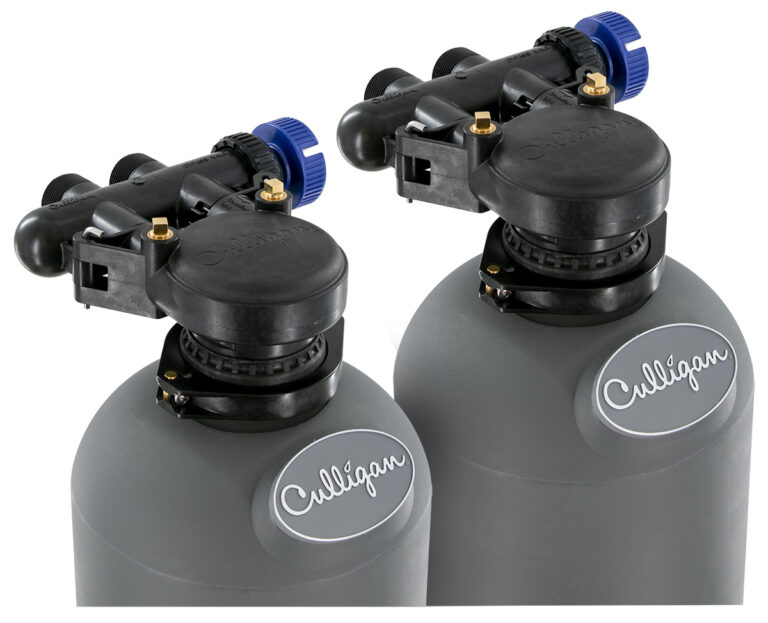
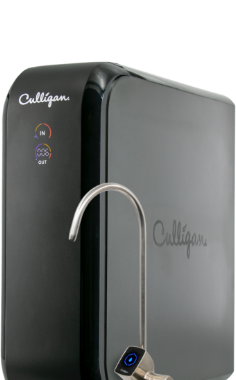
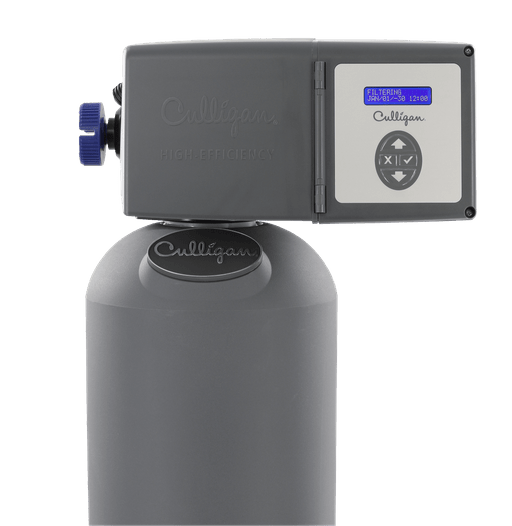
Deals
Don’t Miss Out
What’s In Your Gloversville, NY Water?
Get A FREE Water Test!
• No mailing — fast results!
• Test any tap in your home
• NEW flexible sample pickup options

The Proof
Why Do Gloversville, New York Homeowners LOVE Us?
We wanted to understand what lead and copper could mean for our Gloversville home. Culligan tested our tap water, explained the results clearly, and helped us choose the right filtration option.

We were seeing spots and buildup near our fixtures and wanted to know what treatment made sense. Culligan tested our water and helped us choose a system that fit our home.
We wanted better water for coffee, cooking, and ice, especially after seeing disinfection byproducts and PFBA listed locally. Culligan recommended reverse osmosis, and the taste difference was noticeable.
FAQ
Additional Information On Gloversville, NY Tap Water
Do You Have a Private Well in Gloversville?
The information above covers Gloversville’s public water system. If your home draws from a private well instead, none of those numbers describe your water. Wells here bring their own concerns, including iron staining, sulfur odor, hardness, manganese and bacteria, and a municipal water quality report will not tell you about any of them. Our well water treatment in Gloversville, NY page covers what is actually in local well water and how it gets treated.
Is Gloversville tap water safe to drink?
Gloversville’s tap water is treated to meet drinking water requirements, but trace contaminants, lead, copper, chlorine, PFBA, lithium, and treatment-related byproducts can still be present. That is one reason many homeowners choose water filtration for better taste, added confidence, and extra protection at the tap.
Where does Gloversville get its water?
The Gloversville water quality information provided does not clearly list a specific named reservoir, lake, aquifer, or well source in the screenshots shown. Like many public water systems, source water can be affected by naturally occurring minerals, organic material, runoff, plumbing conditions, and treatment processes. A local water test can help homeowners understand what is actually coming from their own tap.
Does Gloversville use chlorine?
Yes. Gloversville reported chlorine residual at an average level of 1.7 mg/L, with a range of 0.99 to 2.97 mg/L. Chlorine is used to help disinfect drinking water, but it can also contribute to taste and odor issues. A properly selected carbon filtration system can help reduce chlorine taste and smell throughout the home.
Does Gloversville water contain disinfection byproducts?
Yes. Gloversville reported Haloacetic Acids (HAA5) at an average of 32.075 µg/L, with a range of 7.2 to 53.4 µg/L. Total Trihalomethanes (TTHM) were reported at an average of 65.825 µg/L, with a range of 16.7 to 102 µg/L. These byproducts can form when chlorine reacts with organic material in the water, which is why many homeowners choose whole-house carbon filtration for added protection at the tap.
Is lead or copper a concern in Gloversville water?
Lead was reported at 7.9 µg/L, with a range from non-detect to 30.8 µg/L. Copper was reported at 0.167 mg/L, with a range of 0.0049 to 0.281 mg/L. Lead and copper can enter water through household plumbing, fixtures, and service lines, so homes with older plumbing may benefit from a water test and a drinking water system designed to reduce metals at the tap.
What contaminants were found in Gloversville water?
Testing detected several regulated and monitored contaminants in Gloversville water, including chloride at 7.31 mg/L, chromium at 5.1 µg/L, copper at 0.167 mg/L, fluoride at 0.756 mg/L, lead at 7.9 µg/L, manganese at 3.69 µg/L, nickel at 2.6 µg/L, sodium at 7.42 mg/L, odor at 2 units, PFBA at 1.8 ng/L, lithium at 9.02 µg/L, HAA5, TTHM, chlorine residual, and Total Organic Carbon. These results show why in-home water treatment can still be valuable for homeowners who want more control over their drinking water.
Does Gloversville water contain PFAS or forever chemicals?
Yes. Gloversville’s unregulated contaminant monitoring listed PFBA at 1.8 ng/L. PFBA is part of the broader PFAS family, and PFAS concerns are one reason many homeowners choose advanced drinking water filtration, such as reverse osmosis, for added protection at the tap.
Does Gloversville water contain lithium?
Yes. Gloversville’s unregulated contaminant monitoring listed lithium at 9.02 µg/L. Lithium is an emerging contaminant that more homeowners are beginning to notice in water quality reports. A reverse osmosis drinking water system can help reduce many dissolved contaminants in water used for drinking, cooking, coffee, and ice.
Does Gloversville water have taste or odor concerns?
Gloversville reported odor at 2 units and also listed chlorine residual, Total Organic Carbon, and disinfection byproducts. Taste and odor concerns are not always tied to a health issue, but they can make water less appealing for drinking, cooking, and daily use. Carbon filtration can help reduce chlorine taste, odor, and certain organic-related concerns.
Does Gloversville have organic material in the water?
Gloversville reported Total Organic Carbon in finished water, with values ranging from 1.19 to 1.91 mg/L. Organic material matters because it can react with chlorine and contribute to disinfection byproducts like TTHMs and HAA5. Whole-house carbon filtration can help improve taste and reduce certain treatment-related water quality concerns.
Does Gloversville water contain fluoride?
Yes. Gloversville reported fluoride at 0.756 mg/L, with a range of 0.646 to 1.13 mg/L. Fluoride is commonly found in drinking water reports, and some homeowners prefer to reduce it at the tap. Reverse osmosis can help reduce fluoride and other dissolved substances used for drinking, cooking, coffee, and ice.
Is Gloversville water hard?
Hardness levels were not listed in the Gloversville water quality information provided. However, homes can still experience mineral-related issues such as spotting, buildup around fixtures, dry-feeling skin, or soap that does not lather well. A local water test can show whether a water softener would be helpful for your specific home.
Should I use a water filter in Gloversville?
Many Gloversville homeowners can benefit from a water filter, especially if they want to reduce chlorine taste, disinfection byproducts, lead concerns, PFBA, lithium, fluoride, odor, or metals that may enter through household plumbing. A local water test can help determine whether a whole-house filter, reverse osmosis system, water softener, or combination system makes the most sense for your home.
Where Can I Get a Local Water Quality Report?
You can access Gloversville’s Water Quality Report here.

Facebook