
Why West Winfield Homeowners Choose Culligan For Well Water Treatment
Our systems are second to none. The real advantage is that we make treating well water simple.
-
We Treat Your Water, Not A Category
West Winfield sits up on the Appalachian Plateau rather than down in the Mohawk Valley, and that changes the water. The uplands south of Route 20 give up the hardest water we see anywhere in our territory, and the gypsum-bearing rock in this belt adds sulfate on top of ordinary hardness. Wells in the Town of Winfield and out toward Columbia, Litchfield and Richfield are a different animal from valley wells. We start with a test and build the treatment around your actual numbers, which is why we won’t quote a system over the phone.
-
The Company That Drilled It Can Treat It
Most homeowners end up with a driller, a plumber, and a separate water treatment company, and when something goes wrong each one points at the others. We drill, pump, test, and treat. One number, one company, one answer.
-
Expert Installation, And We Maintain It
Culligan has been in water treatment for more than 85 years and it’s all we do. Your local Culligan delivers, installs, and maintains the system for you, so there’s no shipping damage, no unboxing, no guessing about install location, and no third-party service line when it needs attention. Schedule an appointment, then enjoy the water.
-
Make Your Water Work For You
On the fence about whether you need treatment? These are the returns that pay a system off over time.
- 24% in energy savings by using softened cool water to wash clothes
- 30% more life out of water-using appliances when contaminants are filtered out
- 50% reduction in detergent costs for laundry, hair, and body in soft water
- No more replacing fixtures and appliances that hard water ruined early
Local Resources
West Winfield Well Water
Why Does My Well Water Stain
Everything Orange?
That’s iron, dissolved invisibly in your groundwater and oxidizing the instant it hits air, which is why the stain shows up in your fixtures and laundry rather than in the glass. USGS found iron above the staining standard in half the wells it sampled across this region. A softener will carry a small amount of iron, but not the levels we routinely find on upland wells here. An iron filter will.
Why Does My Hot Water Smell
Like Rotten Eggs?
Hydrogen sulfide gas, and this corner of the county has a long history with it. Richfield Springs, about eight miles southeast, was named for its sulfur springs, and the Oneida name for the place translated roughly as “stinking water.” Sulfate-reducing bacteria in oxygen-free groundwater produce the gas, and heat drives it out of solution, which is why the shower is where you notice it. Sulfur filtration removes it.
How Hard Is Well Water Around West Winfield?
This is the hardest water in our service area, and it isn’t close. The uplands south of the Mohawk Valley run well above the regional average: in the USGS records we’ve reviewed for the southern band, every sampled well came back in the very hard category, with a median around 19 grains per gallon and individual wells running past 40. A well essentially at West Winfield measured about 13.5 grains, and another in the southern uplands nearby came in at nearly 41. The village’s own wells are only about sixty feet deep and are treated before distribution, so they tell you nothing about a drilled well up the road. Hardness is what scales your heater and eats your fixtures, and the only way to know your figure is to test for it.
TREATMENT OPTIONS
Three Problems, Three Fixes For Your
West Winfield Well
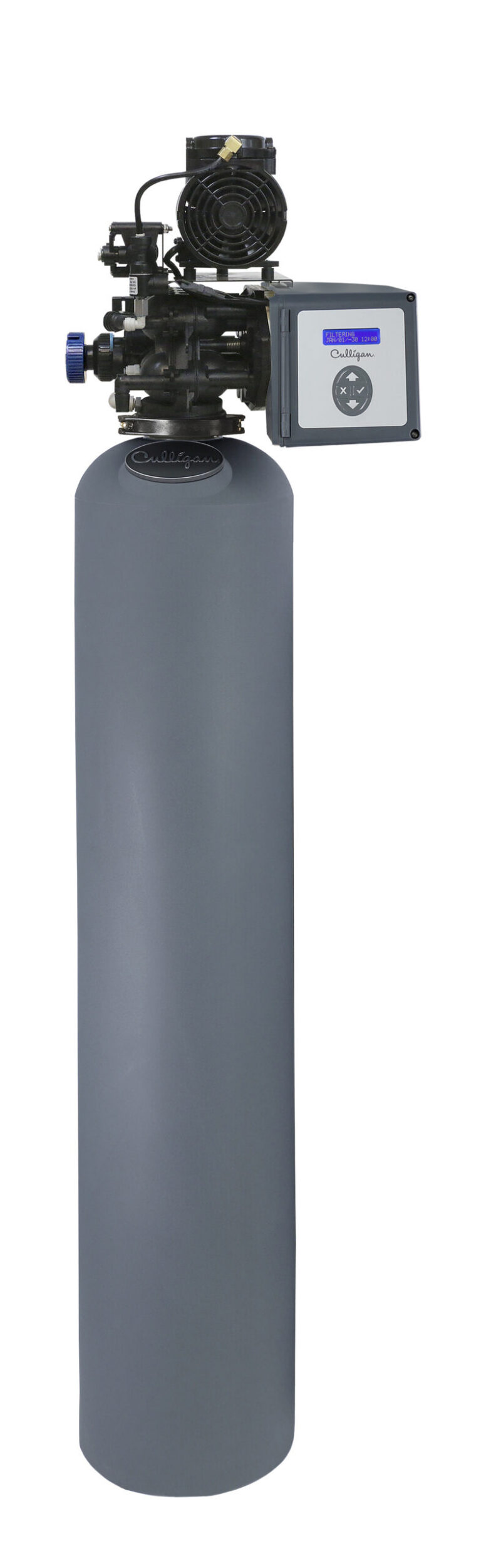
Iron & Sulfur Filtration
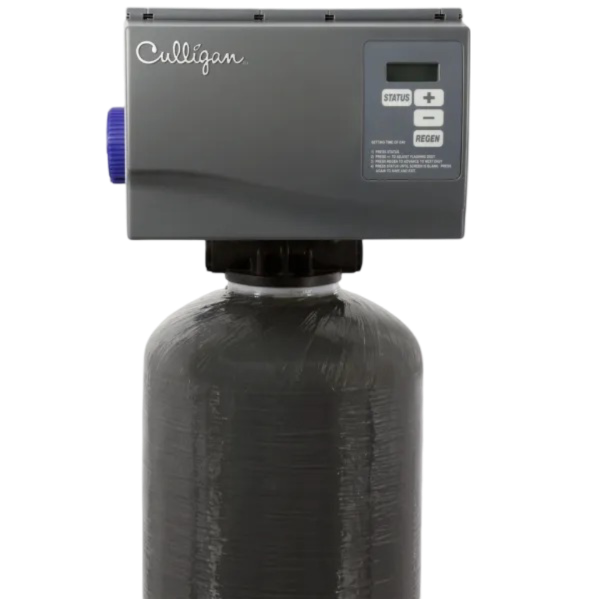
Water Softening
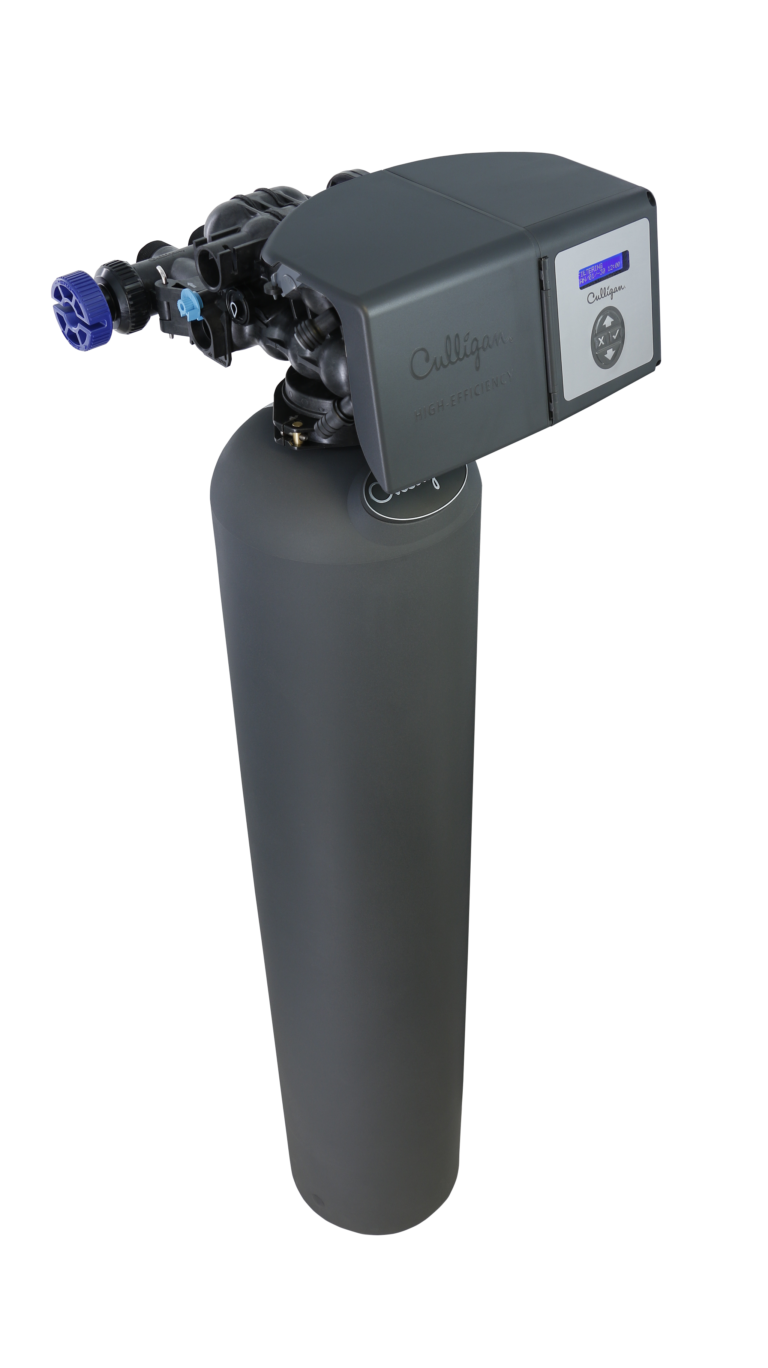
Drinking Water Systems
The Proof
Why Do West Winfield Homeowners TRUST Our
Well Water Treatment Systems?
My hair has never been softer, and I've noticed my skin is healthier. Thank you Culligan!

Working with Culligan has been nothing short of excellent. Very trusted, reliable, and they know what they are talking about when it comes to water treatment.
Our tap water has never tasted better. We feel better about drinking directly from the tap thanks to our under-sink reverse osmosis system!
Scale Everywhere? Rotten Egg Smell?
Find Out What's Really
In West Winfield Well Water!
• Fast on-site results, no mailing
• We test hardness, sulfate, iron, sulfur, and pH
• Flexible sample pickup options

Frequently Asked Well Water Treatment Questions
We Have Answers
My softener can't keep up. What's going on?
Almost certainly that it was sized for average water rather than for upland water. Hardness up here runs well past what a standard residential unit is specified for, and a softener that regenerates constantly and still lets hardness through is a capacity problem, not a broken machine. We test first and size to the actual number, which for this area frequently means more capacity than a dealer working from a map would quote.
Will a water softener remove the iron from my well water?
A softener removes hardness and carries a limited amount of iron and manganese with it. When hardness is as high as it is here, asking the softener to do the iron job as well is what wears units out early. A dedicated iron filter handles the iron and lets the softener do what it was built for.
Will my water taste salty?
No. A properly functioning water softener will never make your water taste salty. The small amount of sodium added is far too little to create a salty taste.
How does a water softener work?
Through ion exchange. As it removes the calcium and magnesium that make water hard, it replaces those ions one for one with sodium. The amount added is proportional to how hard your water is, and in most cases it isn't a significant contributor to the sodium in your diet.
Will a softener reverse damage already done to my appliances?
Yes. Once a softener is installed it begins removing the scale that hard water built up. It takes a long time to clear, but it will clear.
Are chemicals added to my water to soften it?
Other than salt or potassium chloride, no. A softener actually reduces the cleaning supplies and detergents going down your drain, which makes it a net positive environmentally.
How often do I need to add salt?
Modern softeners recharge based on how much water you use and how hard it is. Most of our customers add salt once or twice a year.
My water tastes bitter and has a laxative effect. Is that normal?
It's worth testing for sulfate. This part of the county sits near the outcrop belt of a gypsum- and anhydrite-bearing rock unit, and gypsum is calcium sulfate. Sulfate at elevated levels gives water a bitter, medicinal taste and can have a laxative effect on people who aren't used to it. It is a separate test from hardness and a separate treatment, usually reverse osmosis for drinking water.
Is my well water safe to drink without treatment?
Iron, sulfur, sulfate, and hardness are mostly aesthetic and comfort problems rather than health hazards at the levels we usually find. Bacteria and nitrate are a separate test and worth doing annually on any private well, particularly with dairy farming all around here. Start with a water test and we'll tell you honestly which category your results fall into.
How long does installation take?
Most residential systems install in a few hours in a single visit. We deliver the equipment, install it, and set it up, so there's nothing for you to unbox or assemble.
We're building a house. When should treatment be designed in?
As soon as the well is drilled and tested. Roughing in space and plumbing for treatment during construction costs far less than retrofitting it into a finished home.
Where should I get started?
Every recommendation we make starts with knowing what is in your water. The test is free, it happens at your house, and it takes about half an hour. You'll get your numbers explained in plain language and an honest answer about whether you need treatment at all.

Facebook